Technical Data:
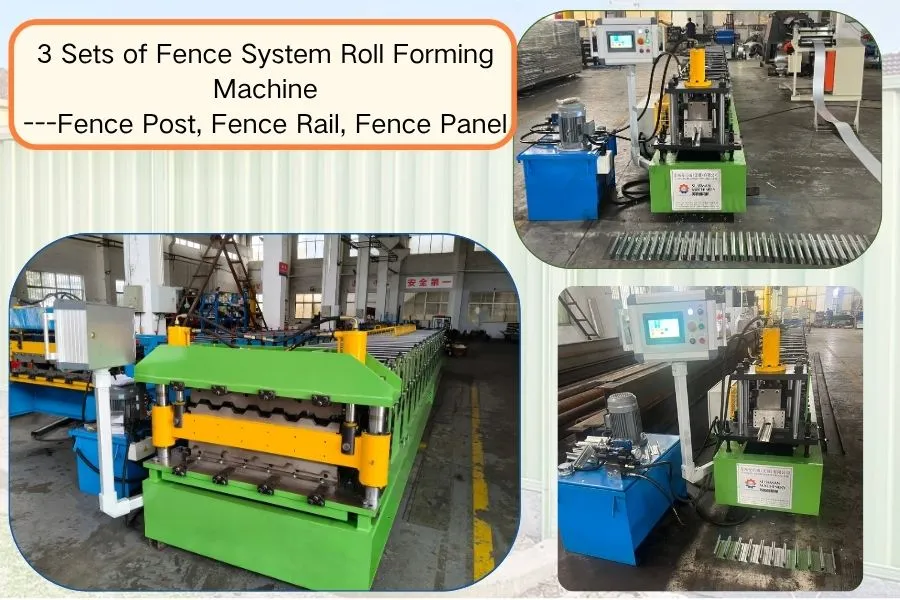
Rolling Speed: About 8-12m/min
Steel sheet Thickness: 0.35 mm to 0.8mm PPGI,Galvanized Steel
Roller Stations: about 18/18 stations
Roller Material : 45# forge steel, coated with chrome
Shaft Material and DIA: ¢76mm, material is 45# forge steel, Chrome with quenching
Main Motor Power:7.5kw
Hydraulic Pressure: 12Mpa
Power supplier: 415V, 50HZ,3 phase or customized as customer’s requirement
Way Of Drive:by chain
Color Of The Machine :blue or customized
The size of the forming machine: About 8500*1500*1500mm
Machine weight: about 8 ton
Control system: PLC control panel with touching screen
|
5 tons passive de-coiler
|
1 set
|
|
Feeding with guide
|
1 set
|
|
Main roll forming machine
|
1 set
|
|
PLC Control box
|
1 unit
|
|
Hydraulic cutting device
|
1 unit
|
|
Output tables
|
2 units
|
|
Safety cover
|
1 set
|
|
Spare Part
|
1 package
|
Profile Drawing:


Application:


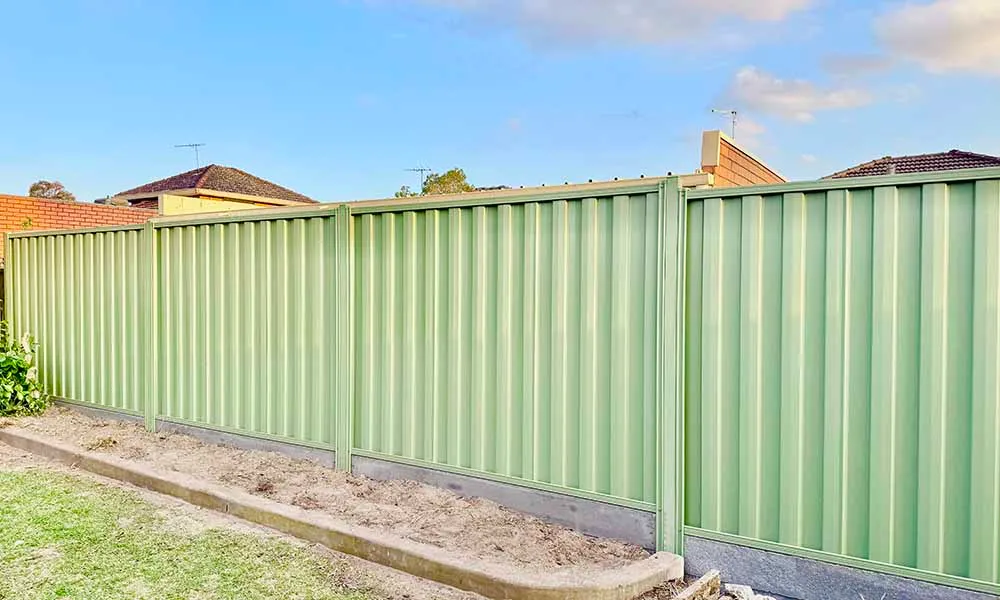
A Colorbond fence is a complete system where each component is designed to work in harmony with the others.
1. The Backbone: Fencing Posts
The posts are the structural foundation of the entire fence, bearing the load against wind and ensuring long-term stability.
-
Material and Design: Typically C-section or square-section posts made from the same high-grade galvanised steel as the panels. They are designed with ribbing for added strength and often feature returns (angled flanges) at the top for a neat, finished look and to prevent water pooling.
-
Installation is Key: Posts are set into concrete footings at precise centres (usually 2.4m or 3.0m apart). The depth and size of the footing are critical and are determined by local soil conditions and wind ratings. Proper installation ensures the fence won't lean or collapse in strong winds.
-
Capping: Post caps are not just decorative; they seal the top of the post, preventing water ingress and rust, thereby extending the life of the entire structure.
2. The Skeleton: Fencing Rails (or Tracks)
The rails are the horizontal members that connect the posts and provide the direct support for the panels.
-
Function: Usually two rails run between the posts—a top and a bottom rail. They feature a lipped channel that the fence panels slot into. This design securely holds the panels in place while allowing for slight thermal expansion and contraction.
-
Strength: The rails are roll-formed from galvanised steel to be incredibly strong, preventing the panels from bowing or sagging over time.
3. The Skin: Fencing Panel Sheets
This is the most visible part of the fence, the Colorbond panel that provides privacy and defines the aesthetic.
-
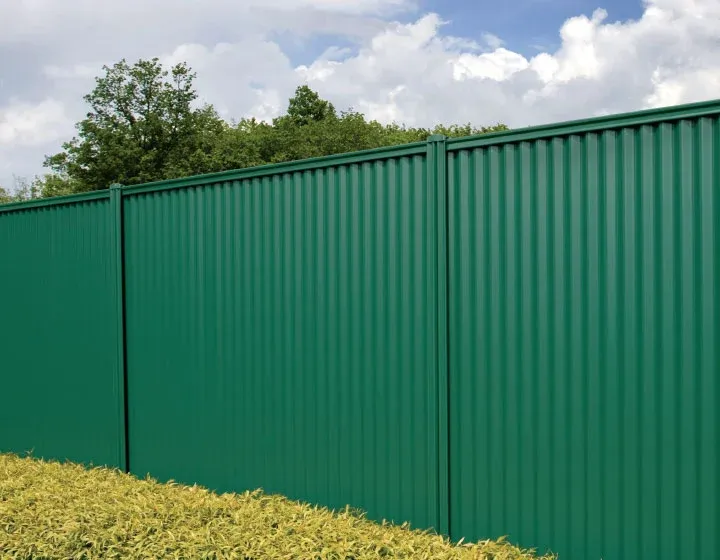
Profile: The panels are the signature corrugated or fluted sheets, roll-formed from pre-painted Colorbond steel. The profile is not just for looks; it adds immense rigidity and strength to the sheet.
-
Fixing: The panels slide vertically into the channels of the rails. They are then typically fixed to the posts with colour-matched, self-drilling screws with neoprene washers. These washers are vital as they create a watertight seal around the screw hole, preventing rust.